Nollywood is without question, one of Nigeria’s proudest exports. It is more than just an industry; it is a cultural movement, a mirror that reflects our society, and a global ambassador for who we are. It entertains millions at home and abroad, fuels conversations on social media, inspires fashion, music, and even language, and gives us characters we carry in our hearts for years. From the era of VHS tapes passed around from house to house, to blockbuster cinema releases and now streaming and YouTube channels, Nollywood has grown into a force that refuses to be ignored.
We have to give it its flowers: Nollywood is a job-creating machine. Every production, no matter how small, employs actors, camera operators, editors, costume designers, makeup artists, scriptwriters, marketers, and a long list of behind-the-scenes crew who make movie magic happen. Beyond jobs, Nollywood is also a big part of our economy and a major tool of Nigeria’s soft power. It shapes how the world sees Nigeria, showing our style, our slang, our food, our culture, and sometimes even our politics to millions of people who may never set foot in Lagos, Port Harcourt, or Enugu.
This is why conversations about the future of Nollywood are so important. When you love something this much, you want to see it do better. You want it to grow, not just bigger but better, because its influence matters.
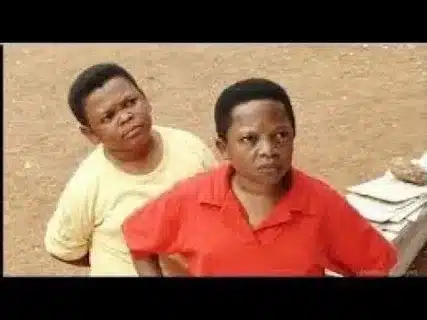
The Rise of YouTube Nollywood
In recent times, one of the biggest shifts we’ve seen in the industry is the rise of YouTube as a major distribution channel for Nigerian movies. YouTube has become the people’s cinema. It’s free, it’s accessible, and it’s instant. Anyone with a smartphone can now watch a Nollywood movie while commuting, during lunch break, or lying in bed at night. This shift has been massive, and honestly, it deserves applause.
It is safe to say that YouTube has democratised Nollywood. It has opened the door for fresh faces who may have otherwise been stuck in the background while the industry’s veterans dominated. It has given hundreds of new actors their first big break. It has allowed actors to try their hands at directing and the entire production process. Behind the scenes, it has been a training ground; editors, cinematographers, and writers have been able to build portfolios and sharpen their skills with real-world projects that get seen by millions.
Many of these talents might have waited years for a big studio to notice them, but now they can pick up a camera, gather a few willing friends, and put something out there for the world to see. Some have built loyal fanbases with millions of subscribers and now have thriving careers because of it.
This has also been good for fans. Viewers now have a buffet of content at their fingertips, from romantic comedies to village dramas, action flicks, and even experimental storytelling. Many of these YouTube productions have become global hits, connecting Nollywood with diaspora audiences and winning subscribers from across Africa and beyond.
Cinema Culture
Of course, cinema still holds a special place in Nollywood’s heart. Going to the cinema is no longer just about watching a film; it has become a whole experience. From the red-carpet premieres where everyone shows up in themed outfits, to the influencer-packed launch parties to, the meet-and-greet events where fans can take selfies with their favourite stars. Cinema releases have turned into cultural moments.
There is something undeniably thrilling about watching a Nollywood film with a live audience, hearing everyone laugh, gasp, and clap together. It’s communal, it’s glamorous, and it feels like being part of history when a movie breaks box office records. Cinema has also given Nollywood some of its most polished, visually stunning productions. Big budgets, bigger crews, international collaborations and the kind of quality that travels across borders and lands on Netflix, Prime Video, and film festival screens.
But cinema, unfortunately, has slowly become something of a luxury. Ticket prices are not cheap, and when you factor in transportation, snacks, and the overall outing, it’s easy to see why many people wait for movies to hit streaming platforms or YouTube instead. Cinema-going is increasingly for those who can afford to make it a weekend plan, which is why YouTube’s accessibility feels like such a breath of fresh air.
The Quantity vs. Quality Debate
This is where the conversation takes a serious turn. While YouTube has been a blessing, it has also opened the floodgates to a deluge of content, and not all of it is good. Many of the movies being released feel rushed, repetitive, and undercooked. You watch one, and before you can even process it, another drops just hours later with the same actors, the same sets, and a slightly reworked version of the same storyline.
Actors are stretched thin, jumping from one set to another with barely enough time to breathe, let alone fully inhabit their characters. As a result, many performances come across as rushed and uninspired. The scripts themselves often follow predictable patterns, the editing feels hurried, and the directing lacks the depth that turns a good story into a memorable one. Casting decisions sometimes seem driven less by who best fits the role and more by who has the biggest online following, banking on their combined social media audiences to drive YouTube views, rather than to deliver truly compelling storytelling.
And cinema is not completely innocent either. For every beautifully made blockbuster, there is another cinema release that relies heavily on hype, celebrity cameos, and themed parties to pull crowds. Don’t get me wrong; there’s nothing wrong with the glitz and glamour, but sometimes, these movies offers very little in terms of storytelling or production value. The pressure to top the box office in the first few weekends has led to an unhealthy obsession with numbers at the expense of creative risk-taking.
This is not to say that all YouTube movies are bad or that all cinema movies are perfect, far from it. Some of the most heartfelt, well-acted Nollywood stories today are on YouTube. Some of the most disappointing, overhyped films have been cinema releases. What this conversation is really about is to call for a higher standard across boards. Nollywood is too important, too influential, and too full of talent to let quantity completely overshadow quality.
When quantity consistently wins over quality, everyone loses. Audiences start to get fatigued and disengaged if they keep running into poorly made films. And the industry risks burning out its best talent by overbooking them and failing to give them space to truly shine.
Nollywood has the talent, the stories, and the global audience; however, it must also have the discipline to slow down and focus on excellence. There is nothing wrong with wanting to make money from YouTube views or top box office charts, but not at the expense of good quality. If Nollywood wants to continue competing on the world stage, it has to give the world the best of its craft not just endless content.
Perhaps what Nollywood needs is less focus on flooding the market and more on crafting movies that can stand the test of time. More script development workshops, better actor scheduling, and mentorship for up-and-coming filmmakers could make a big difference. Collaboration between cinema producers and YouTube creators might also lead to fresh, exciting content that merges accessibility with quality.
…………………………………..
Nollywood is a national treasure. It became a global cultural force against all odds, and it’s one of the few things that unites Nigerians across age, tribe, and class. It deserves to be protected, nurtured, and challenged to grow. YouTube and cinema are two different stages on which Nollywood performs. Both have their place. Both have changed lives. And both can do much more if the industry takes a step back from the rat race and focuses on excellence.
The goal should not just be to release 10 movies in six months or to top the cinema charts for several weekends; it should be to create movies that live forever, movies that can stand proudly next to the best in the world. Nollywood has come too far to settle for less. The talent is there, the audience is there, and the opportunity is alive. We should demand more, expect more, and celebrate more because the future of African storytelling depends on it.
Stay frosty.