There’s a strange kind of heartbreak that doesn’t come with visible endings. It lingers in the air like perfume that won’t fade. It’s the heartbreak of being in the dark, not knowing what changed, not knowing what went wrong, not knowing why someone who once meant the world now pretends you don’t exist. I’ve sat with this feeling before, like many of us have. It’s not the pain of rejection that hurts most. It’s the silence. The nothingness. The unanswered calls, the empty inbox, the ghost of conversations that never got to say goodbye.
We are taught to believe that closure is a necessary part of healing. That the polite, grown-up thing is to “talk things out”, get clarity, and part ways with mutual understanding. But in reality, not everyone will give you that. Some people exit mid-sentence. Some people slam the door. Some vanish. And if you’re not careful, you can spend years waiting at the emotional bus stop for a ride that will never come.
So here’s the bitter pill: closure is not always something others give you. Sometimes, it’s a boundary you draw. A decision you make. A choice to stop bleeding for people who won’t even admit they cut you.
The Illusion of Closure
We romanticise closure. Movies and novels make it look beautiful like two people sitting across from each other in a softly lit room, reflecting on their shared journey before going their separate ways. It’s neat. It’s comforting. It gives pain a sense of purpose. But real life rarely wraps things up in ribbons. People don’t always explain themselves. Real-life relationships don’t always fade out gracefully.
What we often call “closure” is really a desperate attempt to control the uncontrollable. We want reasons. We want timelines. We want apologies. But sometimes, closure becomes an illusion that keeps us emotionally trapped, not because the other person is still present, but because we keep rehearsing the idea of what could have been said if they had just stayed a little longer.
Even if they did come back to explain, would it truly satisfy you? Would their reasons ever be enough? The reality is, the longing for closure is often a longing for validation, and seeking validation from someone who discarded you can turn into a quiet form of self-abandonment.
Why We Crave Closure
The craving is natural. We want stories to make sense. The human mind doesn’t cope well with ambiguity; it seeks patterns, conclusions, and understanding. When someone exits without explanation, it violates our psychological need for narrative completion. The American Psychological Association (APA) defines closure as “the act, achievement, or sense of completing or resolving something”. They gave the example of a therapy client recognising that they’ve found a solution to a particular problem as an experience of closure.
Even so, beneath the surface of logic lies something far more vulnerable: our sense of self. We start questioning everything. Did I do something wrong? Was I not good enough? How could they move on so easily? And these questions don’t just float in our minds: they bury themselves deep in our self-worth. The silence of others becomes noise inside our own heads.
Closure, in this context, feels like rescue. We hope that if they just told us what went wrong, we’d feel relieved. But often, what we truly want is reassurance that the connection was real, that we mattered, and that we weren’t imagining the intimacy, the depth, and the shared laughter. We want to be seen. And when they disappear, we fear that maybe we never were.
The desire for closure is, in many ways, the desire to reclaim our narrative, to know that we weren’t just a passing, insignificant chapter in someone else’s story.
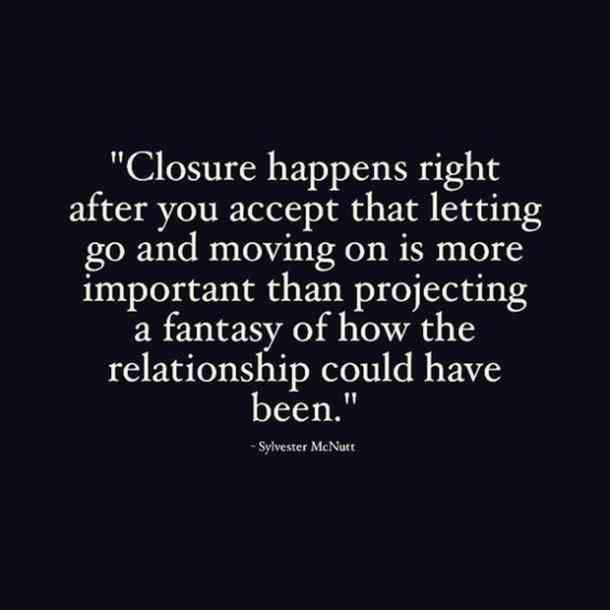
The Cost of Waiting
What is the real cost of waiting for closure? It’s not just time. It’s energy. It’s identity. It’s presence.
While you’re stuck re-reading old messages, rehearsing conversations that happened plus those that never happened, and checking their profile “just to see”, life is quietly passing by. New opportunities for joy, connection, and self-reclamation are standing at your doorstep, but you’re still facing the wrong direction.
We like to think waiting is passive. That it’s harmless. But waiting can be a form of emotional self-harm, especially when the thing you’re waiting for doesn’t exist. You wait for the apology that never comes. The explanation that never arrives. The closure that remains stuck in someone else’s mouth.
In the waiting, you make yourself smaller. You put your life on pause. You overthink, overextend, and overexplain, all the while hoping that your effort will summon someone else’s decency.
People who leave you in silence often do so because they don’t have the tools, the courage, or the willingness to engage with your humanity. You must learn not to internalise their silence as your unworthiness.
Radical Acceptance: The Doorway to Inner Peace
So what then? If closure doesn’t come, how do you move on?
This is where radical acceptance becomes a lifeline.
Radical acceptance is the decision to stop fighting reality. To stop resisting the fact that some people won’t come back. Some stories won’t have answers. Some wounds won’t get apologies. It’s not giving up; it’s choosing peace over perpetual torment.
Acceptance doesn’t mean you’re okay with what happened. It means you acknowledge what happened did, in fact, happen, and you’re choosing to stop arguing with it.
You can begin with small acts:
- Write the goodbye letter you’ll never send.
- Light a candle and say the goodbye out loud.
- Speak your hurt, your confusion, and your grief, even if the only one listening is you.
- Allow yourself to grieve what was and also what never got to be.
The truth is, closure is not a door someone else opens for you. It’s one you build for yourself, plank by painful plank, until you’re finally able to close it, not in bitterness, but in freedom
Rewriting the Ending Without Their Permission
You may never get to hear why they left. You may never receive the apology you deserve. But you are still allowed to close that chapter. You are still allowed to take your pen back and reclaim the story.
You do not need their words to validate your pain. You do not need their closure to begin your healing. You do not need their permission to write your own ending.
Maybe they left because they were afraid. Maybe they didn’t know how to show up. Maybe they didn’t value you. Or maybe they simply didn’t know how to say goodbye, so they chose the coward’s way out.
Whatever the reason, their silence is not a reflection of your worth. You were always enough. You still are.
So give yourself the ending you never got. Say the goodbye they couldn’t say. Let the absence of their voice be the reason you find your own.
Quiet Grief, Loud Growth
There’s no funeral for someone who ghosts you. No mourning rituals for the people who left quietly. You don’t get flowers or casseroles when a friend or lover vanishes without explanation. This is grief in the shadows: unacknowledged, unvalidated, but still deeply felt.
Quite often, from that grief comes growth. You begin to see people more clearly, not for who you wanted them to be, but for who they actually are. You begin to notice your own patterns: how you ignore red flags, how you romanticise potential, and how you confuse silence with mystery. You begin to hold yourself with more compassion not blame.
The people who disappear are often our greatest teachers. They teach us about boundaries. About detachment. About how to stay soft without staying stuck. About how to love without losing ourselves.
More than anything, they teach us that the most sacred closure is the one we give ourselves.
The Healing That Doesn’t Need a Full Stop
There’s a freedom that comes with no longer needing answers. A peace that arrives when you decide that even if the story didn’t end the way you wanted, it still ended. And now, you’re here. Still breathing. Still healing. Still becoming.
Closure isn’t a full stop. It’s a quiet return to self.
Maybe the healing begins not when they say, “I’m sorry,” but when you whisper, “I forgive myself for waiting so long.” Maybe peace doesn’t come in one big moment but in tiny decisions to release over and over again.
Maybe, just maybe, you don’t need their words anymore, for yours are finally enough.
Stay frosty.
Closure Psychology – Better Help





Very interesting information!Perfect just what I was searching for!
I’m glad you liked it.
This actually answered my problem, thanks!
You’re welcome
I like the valuable info you provide in your articles. I’ll bookmark your blog and check again here frequently. I am quite certain I will learn plenty of new stuff right here! Best of luck for the next!
🙏