Success often feels like a race with a finish line everyone seems to be sprinting toward. The faster you get there, the more applause you receive. Society has built invisible timers around our lives: graduate by 22, make money by 25, get married by 30, and become “somebody” by 35. The earlier you check the boxes, the more you’re celebrated.
Yet, life has a quiet way of humbling these expectations. For every early achiever the world applauds, there is a late bloomer – someone who finds their rhythm much later, long after the crowd has gone home and the spotlight dimmed, yet they kept nurturing something within: a dream, a talent, a quiet determination that refused to die. And when it finally bursts into light, it feels not just like success but justice. Their rise doesn’t only reward effort; it redeems hope itself.
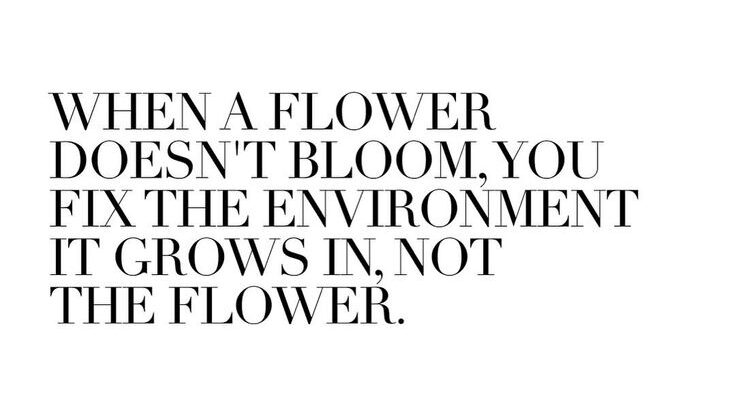
There’s a quiet thrill in watching someone bloom against the odds. Such stories pull us in because they carry the sweet relief of possibility. They remind us that life is not a checklist to complete by thirty but a landscape that unfolds differently for everyone.
The late bloomer’s story often stirs something profound in us because it mirrors life’s true rhythm: uneven, unpredictable and full of detours. There’s an honesty to it that early success rarely carries. When someone finally breaks through after years of obscurity, it feels like watching hope resurrect itself. You see the wrinkles of struggle, the dust of persistence and the slow build of wisdom. It’s not just success; it’s redemption. It’s a story of waiting, of believing quietly when no one else is watching.
However, this admiration is not just about sentimentality. It reveals something deeper about the way African societies, in particular, perceive struggle, timing, and triumph. We are cultures that understand waiting, not because we love delay, but because we live in a world where progress often moves at the pace of patience. Opportunities are unevenly distributed. Systems are rigid. The climb is rarely straightforward. Hence, when someone breaks through after years of wandering, it feels like a communal victory. It reminds us that time, no matter how cruel, cannot erase destiny.
In African settings, early success sometimes feels like an exception; a privilege accessible to a few. The majority understand what it means to toil quietly, to push against barriers of circumstance and limited access. Therefore, a late bloomer’s success feels democratic, attainable, almost spiritual. It reinforces the belief that the race is not only for the fastest but also for those who endure. Wherefore, these stories resonate because they mirror the lived experience of millions who are still waiting, still building and still praying for their moment under the sun.
Late success often carries the fragrance of maturity, a beauty that comes from being weathered by time. It’s the difference between a fruit that ripens in haste and one that matures under the patient gaze of the sun. The latter tastes richer, its sweetness hard-earned. Likewise, those who bloom later tend to carry stories within them: stories of failure, redirection, and reinvention. Their success feels layered, textured, and deeply human because it’s built on lessons learnt in the wilderness years.
There’s an emotional honesty that surrounds these stories. They remind us that progress doesn’t follow a script. Growth can happen quietly, without validation, for years, until one day it bursts forth, unannounced and unstoppable. This unpredictability resonates deeply with the African psyche, which has long understood that timing is not man’s to control. In our cultures, we say things like “time belongs to God” or “everyone’s clock is different”. Such sayings are not mere comfort; they reflect how we process destiny as something that unfolds in divine rhythm, not societal expectation.
When someone succeeds “late”, it doesn’t just inspire admiration; it validates a collective worldview — that life is not a straight line and the universe does not forget those who wait. It reminds us that seeds planted in silence can still bloom in their appointed season.
The fascination with late bloomers also reveals something about our discomfort with instant success. In a world obsessed with speed, we instinctively mistrust anything that rises too quickly. We wonder if it’s sustainable, if it’s real. Late success, by contrast, feels earned. It carries credibility because it’s been tested by time. We’ve seen the process: the failures, the slow progression, the reinventions. When such a person finally makes it, it feels right. It satisfies a moral rhythm we all sense: that endurance should be rewarded and that the long road, though painful, leads somewhere worthwhile.
Still, late blooming is not a romantic stroll. It’s often marked by years of invisibility, by self-doubt and by the haunting fear that maybe the window has closed. Many give up before their story turns. Yet those who hold on, who keep refining their craft and nurturing their dreams quietly, often discover that time, though delayed, does not deny. It only demands readiness.
In African societies, especially, where social milestones are tightly policed, the late bloomer’s journey can be lonely. A thirty-something without a stable job, a forty-year-old still chasing a dream, a fifty-year-old making a career pivot – these lives are often met with pity or judgement. “At your age?” becomes a dagger disguised as concern. Yet, ironically, when these same individuals eventually succeed, the narrative flips. The same voices that once doubted become the loudest in praise. This contradiction: our simultaneous impatience and admiration, reveals the tension between societal expectations and our human understanding of life’s unpredictability.
Such stories speak to a deeper yearning: the desire to believe that it’s never too late. Every society needs such reminders because the human spirit grows weary when timelines are imposed upon it. Late bloomers serve as living proof that the race against time is an illusion. They dismantle the myth of “too late” by showing that purpose doesn’t obey deadlines.
There’s also something spiritually grounding in late success. It often forces humility, the kind born from waiting and loss. Those who bloom late rarely take their moments for granted. They’ve tasted delay, known disappointment, and learnt that recognition is a privilege, not an entitlement. Hence, when success comes, it feels sacred. It becomes not just a personal triumph but a reflection of life’s quiet justice.
The admiration for late bloomers isn’t just about patience rewarded; it’s about the restoration of faith — faith in time, in growth, and in possibility. It reassures those still struggling that they are not behind, merely in progress. It tells the forty-year-old writer, the thirty-five-year-old student, and the fifty-something-year-old entrepreneur that life still holds space for them. There is no expiry date on becoming.
The rise of the late bloomer is not a cultural trend; it’s a reclamation of time itself. It challenges the tyranny of early achievement and redefines success as something fluid, evolving, and deeply personal. It reminds us that there is dignity in delay, that growth can be slow yet meaningful, and that destiny doesn’t crumble under the weight of missed timelines.
One must not, however, confuse lateness with passivity. Late bloomers are not idle dreamers waiting for luck; they are quiet workers shaping themselves in the background. They keep learning when no one’s clapping and keep trying when results seem invisible. Their journey is a lesson in perseverance and, more importantly, in self-trust. It’s the belief that even if the world moves ahead, your path remains valid.
Younger generations across Africa are beginning to reframe how they view timing and success. Paths can diverge and still lead somewhere beautiful. The pressure to “arrive early” still lingers, but so does a growing counter-narrative, one that celebrates the grace of timing, the beauty of slow growth, and the courage to begin again.
The late bloomer’s story will always matter. It’s not merely about delayed success; it’s about rewriting what success means altogether. Replacing comparison with authenticity, timelines with seasons, and fear with trust. Some flowers are designed to bloom only under a certain light, and until that light comes, they must remain rooted, patient, and faithful.
In the end, perhaps that is the lesson behind every late bloomer’s journey: that time, in all its mystery, is not our enemy but our sculptor. Every delay carves something into us: resilience, depth, empathy and self-awareness. These are not wasted years; they are formative ones. Hence, when the bloom finally happens, it doesn’t just mark success; it reveals who we’ve become in the waiting.
Success truly has no expiry date because life itself does not run on clocks; it runs on becoming. And the late bloomer, in their quiet defiance of deadlines, reminds us that the most beautiful things in life do not rush to appear. They take their time, and when they finally arrive, they fill the air with a fragrance that lingers long after the applause has faded.
Stay frosty.