There are days when your plans look great on paper. You wake up with the best of intentions, open your laptop or pick up that notebook, and then… nothing. No rush of inspiration, no big wave of energy. Just you, staring at what needs to be done, feeling like someone has unplugged your batteries.
If you’ve been there, you know how frustrating it is. You know exactly what would move you forward, but you can’t seem to bring yourself to do it. You feel stuck, guilty, even a little angry at yourself for not trying hard enough.
The truth is, losing motivation is not a sign that you are broken or lazy. It’s a sign that you are human. Motivation is not a permanent state, it is a visitor. And when it leaves, you don’t have to sit around waiting for it to come back before you take action. You can still move, albeit gently and imperfectly. That movement might be exactly what brings the spark back.
Why Motivation Fades
Motivation doesn’t just evaporate without reason. It’s often your brain’s way of saying, “Something is not working”. Sometimes it’s physical; you’re tired, overworked, and running on too little sleep. Sometimes it’s mental; you’re overwhelmed by too many decisions, or bored by what you’re doing, or paralysed by the fear of doing it wrong.
And sometimes, if we’re being honest, it’s because you’ve been doing so much for so long that your mind has quietly decided to rebel. That’s why no amount of scrolling through inspirational quotes seems to help. Your brain isn’t looking for more hype, it’s asking for a reset. Understanding this can be a relief. It shifts the question from “What is wrong with me?” to “What is out of balance right now?”
Learning to Move Without the Spark
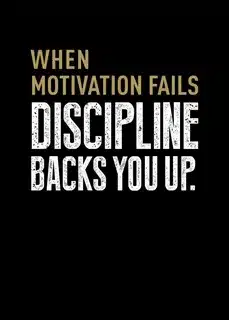
Waiting until you “feel like it” is not a reliable strategy, being disciplined is. If you have ever had a deadline you only met at the very last minute, you already know motivation has terrible timing. It’s not about pushing yourself harshly or pretending you’re fine when you’re not. It’s about learning how to take small, compassionate steps even while the spark is missing. Let’s talk about how.
Start Smaller Than You Think
When you’ve lost motivation, your brain turns even simple tasks into mountains. That’s why you need to shrink things down until they stop feeling scary.
If you’ve been putting off a task, starting with the less complicated step can be the boost you need. For instance, if your house is a mess and it’s overwhelming, forget the grand plan of spring cleaning. Pick one corner of one table and clear just that. You might find yourself doing a bit more, but even if you don’t, you’ve created a small pocket of order in the middle of chaos.
The point is to give your brain an easy win. Small actions restart momentum in a way thinking about big goals never can.
Pair Effort With Comfort
Sometimes the best way to make yourself do something is to soften the experience around it. If the thought of doing your accounts makes you want to cry, do them while playing your favourite playlist or sitting somewhere that feels comforting.
Or if you’re dragging yourself through a workout, let yourself slow down and treat it like stretching or dancing instead of a performance. It doesn’t have to be perfect to count.
We often think productivity has to be hard, but comfort and action can exist in the same space. The softer you make the process, the easier it becomes to show up.
Borrow Energy From Other People
If you’ve ever cleaned your space just because someone was coming over, you know what this feels like. Sometimes we need to borrow energy from others to get ourselves moving.
This doesn’t always mean asking for accountability in a formal way. You can simply work alongside someone, even virtually. Call a friend and both of you do something you’ve been avoiding while chatting. Or tell someone you are finally doing something you’ve been putting off today, so that saying it out loud makes it more real.
Humans are wired for connection. Letting someone witness your effort, even a little, can give you just enough push to keep going.
Redesign the Space Around You
I’m not asking you to renovate your house or spend money on fancy organisers. This is about making small, intentional tweaks to your surroundings so they stop working against you.
If motivation is gone, sometimes the environment is part of the problem. It’s hard to focus when your surroundings constantly remind you of everything else you could be doing.
Try putting away the things that distract you. Clear your desk of unnecessary clutter. Move to a different room. Even something as simple as changing your chair or opening a window can reset your brain enough to make starting feel easier. Your environment should invite you to take action, not fight against it.
Rest Without Guilt When You Need It
Not all lack of motivation means push harder. Sometimes it means your mind and body are genuinely tired. In that case, the best move is not another productivity hack, it’s real rest.
Rest does not have to mean sleeping all day. It can mean stepping outside for fresh air, lying down without your phone, or doing something that makes you laugh. True rest leaves you feeling a little more alive afterwards, not more drained.
And here’s the beautiful thing, when you allow yourself to rest intentionally, you often find that the urge to do returns naturally, without force.
Remember Your “Why”
When motivation has completely left the building, reconnecting with why you started in the first place can breathe a little life back into the process.
Think about your future self. The version of you six months from now who will either be glad you took small steps today or wish you had. This isn’t about pressure, it’s about remembering that your actions are gifts you send ahead of you.
Sometimes writing your reason down where you can see it, like a sticky note on your wall, a line in your journal, can quietly pull you back when you forget.
…………………………………..
When motivation dies, it’s tempting to believe that you’ve lost something essential. But what you’ve really lost is a feeling, and feelings come back, especially when you create little moments of movement that coax them out of hiding.
You don’t have to wait to feel inspired. You don’t have to do it all at once. You only have to take the smallest next step available to you, then the one after that.
Start with the littlest action. Celebrate that you moved at all. The spark might not roar back instantly, but slowly, quietly, it will.
If this topic resonated with you and you’d like more ideas to stay consistent on the hard days, check out How to Keep Working When You’re Just Not Feeling It
Stay frosty.