The gymwear conversation has become impossible to avoid lately. It is on podcasts, forum discussions, debates, and everyday conversations. More people are starting to openly say what they truly think about what gyms have become, especially when it comes to provocative gymwear and the culture surrounding it. At this point, pretending not to understand the concern feels dishonest.
Most people understand that gymwear should be comfortable. Nobody expects human beings to do cardio in heavy hoodies or squat in thick jeans. Working out involves movement, sweating, stretching, and heat. Comfortable clothing makes sense. Breathable fabrics make sense. Looking good while training also makes sense. There is nothing wrong with wanting to feel attractive, confident, or stylish in the gym.
The issue begins when comfort stops being the goal and attention becomes the obvious objective.
There is a clear difference between functional gymwear and clothing designed almost entirely to draw sexual attention. Most reasonable people can tell the difference immediately. Tiny shorts with barely any inseam, leggings intentionally designed to disappear into the body, tops that reveal almost the entire chest, and outfits that resemble underwear more than sportswear have become increasingly common in many gyms. Some people have tried to normalise this so aggressively that anyone who questions it is instantly labelled insecure, bitter, controlling, or threatened. That reaction shuts down honest conversation before it can even begin.
The truth is that people are allowed to feel uncomfortable about certain things in public spaces. Gyms are public spaces. Children are there. Teenagers are there. Married couples are there. Older people are there. Men and women are there trying to focus on their workouts without feeling like they accidentally walked into a social media set mixed with a dating environment.
What makes the conversation even more frustrating is the contradiction that often follows this behaviour. Someone dresses in a way clearly designed to attract visual attention, sets up a tripod in the middle of the gym, positions the camera carefully, performs exercises that deliberately emphasise intimate body areas, then acts completely shocked that people looked in their direction. That is the part many people find ridiculous.
Human beings notice things. That is normal. Women notice other women too. Not from attraction or jealousy, but simply because the eyes work. If someone walks through a public place almost naked, people will naturally look. That does not automatically mean lust, harassment, or predatory behaviour. Sometimes it simply means there is something visually striking directly in front of them.
Now, to be fair, there are genuinely creepy people in gyms. Some people stare excessively. Some cross boundaries. Some make women uncomfortable and absolutely deserve to be called out. Nobody sensible is defending harassment or inappropriate behaviour. A woman should be able to exercise without someone behaving badly around her. Yet, not every glance is harassment. That distinction matters.
A lot of people are becoming frustrated with the idea that ordinary human awareness is somehow offensive whenever revealing clothing is involved. You cannot create a presentation designed to attract attention and then become outraged that attention arrives. That is not how human interaction works anywhere else in society, and it certainly does not suddenly stop applying inside gyms.
A large reason this conversation has intensified in recent years is social media. Modern gym culture no longer exists only inside gyms. It now exists online, where algorithms reward visibility, desirability, outrage, controversy, and engagement. Fitness influencers understand this very well. The more provocative the image, the more attention it often generates. The gym has gradually become one of the biggest stages for personal branding online, and many people believe that shift has completely changed the atmosphere of fitness spaces.
This shift has not remained inside commercial gyms either. Professional sports have increasingly moved in the same direction, with some athletes now performing before global audiences in outfits many people consider unnecessarily revealing. In some cases, discussions about appearance and body exposure end up overshadowing the actual skill, discipline, and athletic ability being displayed.
For some people, the gym is no longer primarily about health, discipline, or self-improvement. It has become performance. Cameras are constantly recording. Workouts are interrupted for retakes. Certain exercises are selected more for how they appear on camera than their actual effectiveness. Entire gym sessions sometimes feel designed around content creation rather than fitness itself.
Everyone else in the gym becomes part of somebody else’s content whether they like it or not. That alone has pushed many ordinary people away from gyms entirely.
Some people genuinely miss when gyms felt simple. You came in, exercised, minded your business, and left. Now many gyms feel saturated with vanity, validation-seeking, flirtation, performance, and attention games. More people have openly admitted that they avoid certain gyms because the environment no longer feels focused on fitness.
The complaints are not only coming from men either. Plenty of women have spoken about this too. Many women are uncomfortable with how extreme gym fashion has become. Others dislike the pressure to dress more revealingly just to fit into current fitness culture. Some simply want to train without feeling like every corner of the gym has turned into a social media production set where appearance matters more than exercise itself.
Children are also part of these environments, and that reality matters whether people like discussing it or not. Young people absorb social cues constantly. They notice what gets rewarded, what gets attention, and what gets celebrated. When highly sexualised self-presentation becomes normalised in everyday public spaces, it inevitably shapes how younger people begin to understand validation, attractiveness, and confidence. That influence deserves more honest discussion than it currently gets.
Human beings enjoy attention. Men enjoy it. Women enjoy it. Social media practically runs on it. The frustration many people feel is not about attention itself. It is the dishonesty surrounding it.
If somebody carefully builds a highly sexualised fitness image online, wears the most revealing outfit possible to the gym, records themselves from carefully selected angles, and posts those clips publicly for engagement, it becomes difficult to pretend attention was never part of the objective. That is where many people feel manipulated. The performance is obvious, yet society is expected to deny what everybody can clearly see.
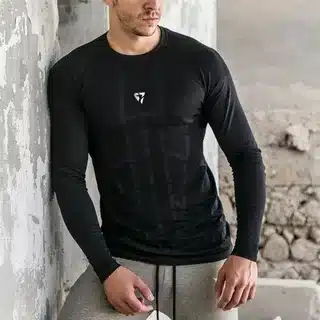
Men are not left out of this culture either. Some now walk into gyms dressed and behaving like they are auditioning for dating shows rather than training sessions. Skin-tight vests, tiny shorts, constant flexing, dramatic posing, and flirtatious behaviour have become increasingly common. Gyms have gradually turned into social spaces where many people are clearly seeking validation, attention, romantic opportunities, or ego boosts alongside fitness.
This is one reason conversations about relationships and gym culture have become more common recently. Many people have complained that certain gyms now encourage an atmosphere built heavily around seduction, temptation, and attention-seeking. Obviously, nobody steals a committed partner unless deeper issues already exist within the relationship itself. Adults make their own choices. Still, many people feel modern gym culture increasingly blurs boundaries in ways that make shared spaces uncomfortable.
One of the strangest things about this discourse is how difficult it has become to advocate for moderation without being accused of extremism. Suggesting that public gyms should maintain a certain level of decency is immediately interpreted by some people as hatred, insecurity, oppression, or jealousy.
Nobody is demanding ugly gymwear. Nobody is demanding shame around the human body. Your body, your choice, absolutely. But shared public spaces function better when people show some awareness of the environment around them. There is a reason certain settings come with different expectations. Beaches, pools, and even nude beaches exist for people who want maximum body exposure in socially appropriate environments. Gyms are different. They are shared fitness spaces used by children, families, couples, and ordinary people simply trying to exercise without hyper-sexualised presentation becoming the centre of the atmosphere.
There are plenty of stylish, flattering, comfortable gym outfits that do not resemble modified underwear. There are ways to feel attractive without making sexual display the centre of the entire experience. There are ways to pursue fitness without turning every workout into a visual performance designed for online validation.
Most people understand this already. That is why the debate keeps growing instead of disappearing.
Ultimately, this conversation is not really about banning attractive clothing or policing people’s bodies. It is about honesty, self-awareness, moderation, and consideration for shared spaces. Many people are exhausted by the pressure to pretend obviously provocative behaviour has no effect on public environments. There is a massive middle ground between dressing like a nun and walking around almost naked.
People are asking for moderation, and that should not be controversial at all.
Stay frosty.